

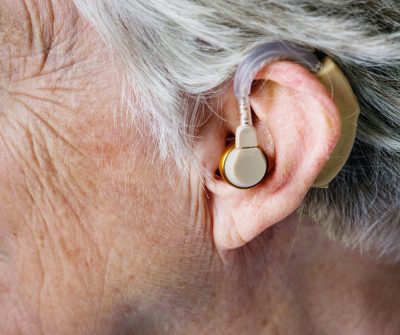
Is your practice accessible to those with speech & hearing impairments?
Healthcare practices are considered public accommodations – meaning that disabled individuals must be given equal opportunities to utilize your services
Healthcare practices are considered public accommodations – meaning that disabled individuals must be given equal opportunities to utilize your services

You know that obtaining written informed consent is vital to avoiding lawsuits, but do you know where the legal vulnerabilities
Learn how these legal notices can help you limit your liability and protect your practice.

Over the past few months, you probably noticed the deluge of emails from major companies informing you of changes to

Katie Jones, a marketing expert, recently assisted in the development of the sites quickdoctor and doctor4u. We picked her brain about the advent of online pharmacies and why they’re currently leaps and bounds better than retail stores and brick and mortar pharmaceutical establishments. She had some enlightening points about the development and benefits of online pharmacies.

What happens when referrals or endorsements that help patients also happen to benefit you? The FTC offers guidelines.

To manage an influx of patients and escalating costs, some providers now offer shared appointments, wherein they see a group of patients with similar symptoms simultaneously. In fact, as of 2010, 13% of family physicians offered these appointments.

While this certainly doesn’t only happen in physical therapy, I use PT as my example here. In working with providers who are establishing their own practices, I have been routinely astounded to hear that they have relied upon (and paid for) the legal advice of non-lawyers. Remember:the fact that something is common practice doesn’t make it ok.

Imagine for a moment that the patient couldn’t sue you. How would it change your behavior?