
|
Getting your Trinity Audio player ready...
|
The IDFPR has outlined key rules for medical spas in a new memo. Discover how these regulations apply to your business and what you can do to stay compliant.
In December, the Illinois Department of Financial and Professional Regulation (IDFPR) released a comprehensive memo that outlined guidelines for medical spas. If you own or operate a medspa in Illinois, this overview will help you understand some of the rules that govern your practice. The memo clarifies standards around who can perform services, proper oversight requirements, infection control protocols, advertising compliance, and medspa ownership.
Let’s break down what some of the key guidelines mean for your practice.
Scope of Practice
One of the memo’s central themes is defining who can perform which services.
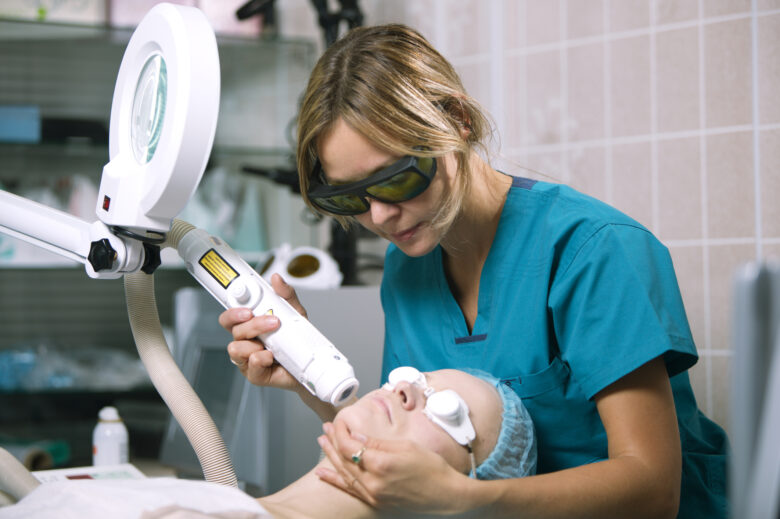
Medical procedures: Only licensed medical professionals—including physicians, advanced practice registered nurses (APRNs), physician assistants (PAs), and in some cases, registered nurses (RNs)—can perform medical procedures. Examples include Botox injections, dermal fillers, and laser treatments. APRNs without full practice authority and PAs must work under a collaborative agreement or physician supervision, while RNs are generally limited to delegated tasks within their scope of training and licensure.
Non-medical services: Licensed estheticians and cosmetologists may perform non-medical treatments like facials, waxing, and superficial chemical peels. However, they must not cross into medical territory unless delegated by a properly licensed individual and appropriately supervised.
Mind issues of scope to avoid allegations of the unlicensed practice of medicine, which can lead to penalties or license revocation.
Medical Oversight
The guidelines emphasize the importance of proper delegation and supervision within medspas. Physicians who delegate tasks to other staff members must:
- Align tasks with the staff’s licensure and training.
- Provide direct or indirect supervision as required by law.
- Thoroughly document your protocols, supervision arrangements, and training.
Neglecting these responsibilities can create liability for both the delegating physician and the medspa.
Medspa Ownership
The memo also highlights the importance of proper entity ownership in medspas. In Illinois, only licensed physicians may own medical practices, including medspas. In addition, advanced practice registered nurses (APRNs) with full practice authority can own entities performing certain medical procedures under Illinois law. Overall, the rules for practice ownership are quite complex, so you should seek legal guidance before establishing a legal entity such as a corporation or PLLC.
Non-physicians, such as estheticians or business investors, cannot have ownership or controlling interest in the medical portion of the practice.
To comply with these rules and address the roles of all practitioners, medspas often separate their business into two entities:
- A medical entity owned and operated by a licensed physician or APRN with full practice authority, overseeing medical services.
- A non-medical entity, which can be owned by non-physicians and handle services like facials, waxing, and retail operations.
This structure ensures compliance with the state’s Corporate Practice of Medicine Doctrine and helps avoid penalties or loss of licensure. If you’re unsure how to structure your med spa, consult a healthcare attorney.
See our related blogs:
- How to Open a Medical Spa (Medspa) if your License Requires Physician Supervision
- The Corporate Practice of Medicine in Illinois
- Key Considerations for Setting Up Management Services Organizations (MSOs) in Illinois”
Advertising Compliance
Misleading advertising is a significant concern for IDFPR. The memo warns medspas that promotional materials must accurately represent:
- The services offered
- The practitioner’s credentials and qualifications
- The medical nature of certain treatments
For example, a medspa advertising “medical-grade” treatments must ensure that such services are administered by licensed medical professionals. Misrepresentations in advertising can lead to fines, disciplinary actions, or damage to your reputation.
Infection Control
Another critical section of the IDFPR’s memo focuses on infection control. Medspas must maintain strict hygiene and safety protocols. Key infection control measures include:
- Sterilization and disinfection: All reusable tools and equipment must be sterilized between uses. Single-use items, such as needles or applicators, must be properly disposed of after each patient.
- Facility cleanliness: Treatment rooms, waiting areas, and restrooms must be cleaned regularly and stocked with necessary sanitation supplies.
- Staff training: Employees must be trained in proper hygiene practices, including handwashing, equipment handling, and the use of personal protective equipment (PPE).
- Compliance with standards: Medspas must adhere to infection control standards set by the Occupational Safety and Health Administration (OSHA), the Center for Disease Control (CDC), and other regulatory bodies.
- Reporting: Staff must promptly report any infections or adverse events to the appropriate agencies to ensure accountability and prevent further issues.
Not following these protocols can put patients at risk, lead to fines, and hurt your med spa’s reputation. Infection control isn’t just about meeting legal standards—it’s about building trust and keeping your patients safe.
Why These Guidelines Matter
The IDFPR’s memo responds to the rapid growth of the medspa industry. Medspa owners often struggle to juggle medical and cosmetology regulations and may thus inadvertently violate state laws.
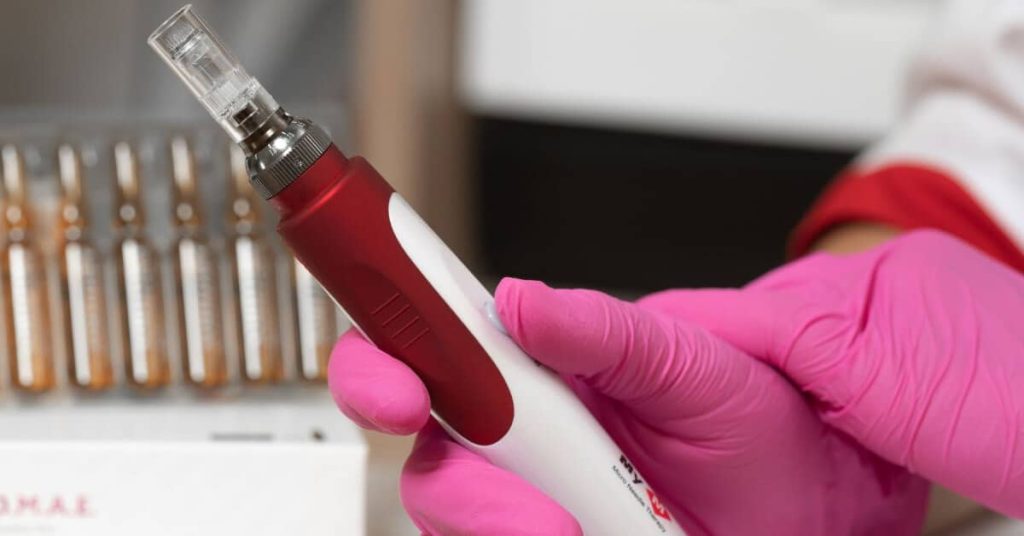
For example, a common issue arises when estheticians—whose licenses do not cover medical procedures—perform advanced treatments like microneedling or laser hair removal. Even if these procedures seem noninvasive, they may legally fall under the category of medical treatments in Illinois and require supervision by a licensed medical professional. These violations can lead to lawsuits, fines, and negative publicity.
How to Stay Compliant
Medspa owners can take several proactive steps to align with IDFPR’s recommendations:
- Review employee roles: Ensure all staff members perform only those services within their licensure and training.
- Establish clear protocols: Develop written policies outlining delegation and supervision practices.
- Audit advertising materials: Double-check all promotional materials to ensure they accurately reflect services and credentials.
- Enhance infection control: Regularly review and update hygiene and sanitation practices to meet regulatory standards.
- Consult legal professionals: Healthcare regulations are complex and ever-changing. Work with a healthcare attorney to stay informed and avoid costly mistakes.
Get Legal Support
Running a medspa is rewarding but challenging. Between managing patient expectations, growing your business, and staying compliant, it’s easy to feel overwhelmed. That’s where we come in.
The experienced healthcare attorneys at Jackson LLP have extensive experience helping med spas navigate regulatory challenges. Whether you’re reviewing your employee roles, updating your policies, or ensuring your advertising meets IDFPR standards, our team can provide the support you need.
If you operate a medical spa in Illinois, schedule a consultation today to learn how we can address your specific concerns.
This blog is made for educational purposes and is not intended to be specific legal advice to any particular person. It does not create an attorney-client relationship between our firm and the reader. It should not be used as a substitute for competent legal advice from a licensed attorney in your jurisdiction.